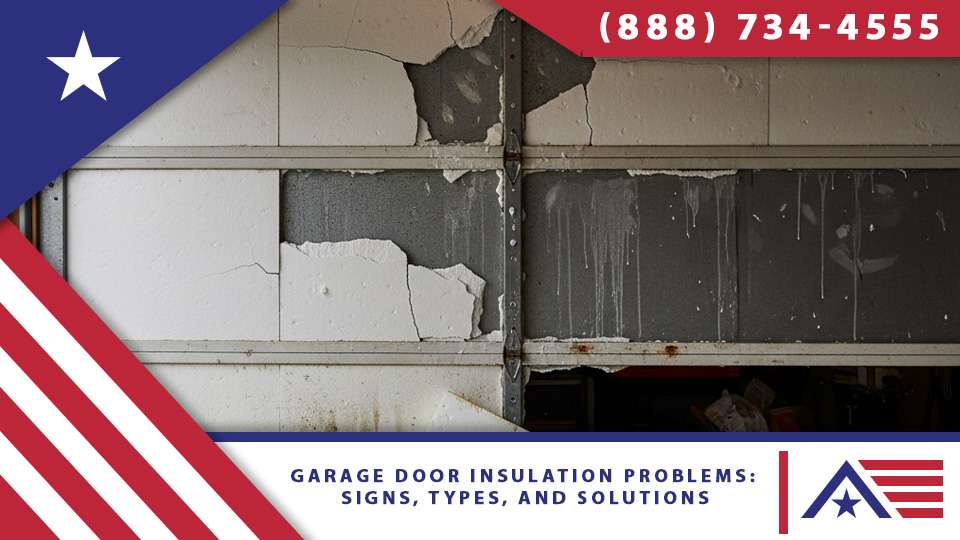
Are garage door insulation problems making your garage unbearably hot in summer and freezing cold in winter? Furthermore, poor garage door insulation drives up your energy bills and allows outside temperatures to infiltrate your home through shared walls. Moreover, recognizing insulation failure signs helps homeowners address problems before comfort and efficiency suffer dramatically. Consequently, whether you need garage door insulation repair or a complete insulated garage door upgrade, finding professional help for garage door insulation problems near you keeps your home comfortable and energy costs under control. In addition, understanding garage door insulation cost helps you budget for this valuable home improvement.
Why Garage Door Insulation Matters
Specifically, your garage door is the largest opening in your home and represents a massive potential source of energy loss. Furthermore, an uninsulated or poorly insulated garage door allows heat transfer between your garage and the outside environment with virtually no resistance. Moreover, garages that share walls with living spaces transmit those extreme temperatures directly into your home. Consequently, your HVAC system works overtime to compensate for the temperature swing caused by garage door insulation problems. In addition, proper insulation protects items stored in your garage from temperature extremes, moisture damage, and condensation.
Common Garage Door Insulation Problems
Additionally, understanding the most frequent insulation issues helps homeowners identify when their garage door needs attention. Therefore, watch for these common failures.
Missing or Inadequate Insulation
Moreover, many garage doors lack proper insulation from the start:
- Specifically, builder-grade single-layer steel doors have zero insulation value
- Furthermore, thin polystyrene inserts provide minimal R-value protection
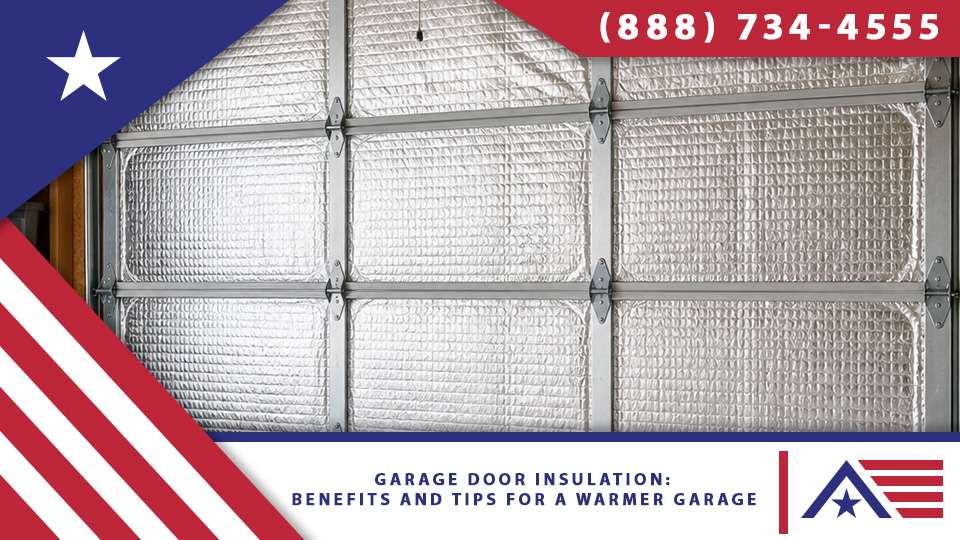
- Additionally, gaps between insulation panels allow air to pass freely
- Consequently, uninsulated doors transfer outdoor temperatures directly into the garage
Therefore, missing or inadequate insulation is the most basic of garage door insulation problems affecting millions of homes.
Damaged or Deteriorating Insulation
Similarly, existing insulation breaks down over time:
- Specifically, moisture infiltration causes insulation to compress and lose R-value
- Furthermore, pest damage from rodents chewing through foam panels
- Moreover, impact damage from vehicles or stored items crushing insulation sections
- Additionally, adhesive failure causing insulation panels to detach and fall
Consequently, damaged insulation creates gaps that dramatically reduce thermal performance.
Thermal Bridging Issues
Likewise, heat transfers through uninsulated structural elements:
- Specifically, metal door frames conduct heat and cold around insulation panels
- Furthermore, uninsulated hardware and hinges create cold spots
- Moreover, window panels in garage doors lack adequate thermal barriers
- Additionally, weatherstripping gaps allow air infiltration around insulated doors
Hence, thermal bridging undermines even well-insulated garage doors and represents overlooked insulation failure signs.
Insulation Failure Signs Every Homeowner Should Know
Furthermore, several warning signs indicate your garage door insulation needs repair or replacement.
Temperature-Related Warning Signs
Moreover, watch for these thermal indicators:
- Specifically, garage temperature matches outdoor temperature closely
- Furthermore, rooms above or adjacent to the garage feel noticeably colder or warmer
- Moreover, condensation forming on the inside of the garage door surface
- Additionally, frost or ice appearing on the door interior during winter
In addition, these insulation failure signs indicate that your door provides little to no thermal protection.
Energy and Comfort Warning Signs
Similarly, your utility bills and comfort levels reveal insulation condition:
- Specifically, rising heating and cooling costs without other explanation
- Furthermore, HVAC system running longer cycles than normal
- Moreover, difficulty maintaining consistent temperatures in garage-adjacent rooms
- Additionally, pipes in the garage at risk of freezing during cold snaps
Consequently, energy and comfort issues frequently stem from garage door insulation problems that homeowners overlook.
Types of Garage Door Insulation
Furthermore, understanding insulation types helps you choose the best option for garage door insulation repair or an insulated garage door upgrade.
Polystyrene Insulation
Moreover, rigid foam boards are the most common retrofit option:
- Specifically, lightweight panels cut to fit between door frame sections
- Furthermore, R-value of approximately R-3.5 to R-5 per inch
- Moreover, affordable and widely available at home improvement stores
- Additionally, easy to install for DIY homeowners
Therefore, polystyrene provides basic improvement for uninsulated doors at the lowest garage door insulation cost.
Polyurethane Foam Insulation
Similarly, injected foam offers superior performance:
- Specifically, sprayed or injected between door panel layers
- Furthermore, R-value of approximately R-6 to R-7 per inch
- Moreover, adds structural rigidity and strength to the door panel
- Additionally, fills every gap and void for complete thermal coverage
Consequently, polyurethane insulation delivers the highest R-value per inch and represents the premium insulated garage door upgrade option.
Garage Door Insulation Cost Breakdown
Moreover, understanding garage door insulation cost helps homeowners evaluate their options.
Factors Affecting Price
Specifically, several variables influence your total garage door insulation cost:
- Furthermore, door size with single-car versus double-car doors
- Moreover, insulation material choice between polystyrene and polyurethane
- Additionally, professional installation versus DIY application
- Consequently, whether weatherstripping and sealing are included
Average Cost Ranges
In addition, typical pricing for garage door insulation includes:
- Specifically, DIY polystyrene insulation kits cost $50 to $150 per door
- Furthermore, professional polystyrene installation runs $200 to $400 per door
- Moreover, reflective barrier insulation costs $100 to $250 per door
- Additionally, a new factory-insulated garage door ranges from $800 to $3,000 installed
Therefore, garage door insulation cost varies widely but even budget options deliver measurable energy savings.
Garage Door Insulation Repair vs Full Upgrade
Furthermore, choosing between garage door insulation repair and a complete insulated garage door upgrade depends on your current door condition.
When Repair Works
Moreover, garage door insulation repair makes sense when:
- Specifically, the door structure is in good condition with only insulation damage
- Furthermore, individual panels can be replaced without affecting the whole door
- Moreover, adding retrofit insulation improves an otherwise functional door
- Additionally, the repair cost is significantly less than a new insulated door
When a Full Upgrade Is Better
Similarly, a complete insulated garage door upgrade becomes the better choice when:
- Specifically, the existing door is old with multiple structural problems
- Furthermore, the door lacks the depth to accommodate adequate insulation
- Moreover, you want maximum R-value with factory-injected polyurethane
- Additionally, upgrading improves curb appeal alongside energy efficiency
Consequently, factory-insulated doors outperform retrofit solutions and include integrated weathersealing.
Preventing Future Garage Door Insulation Problems
Additionally, proper maintenance protects your insulation investment long-term.
Maintenance Tips
Furthermore, follow these prevention strategies:
- Specifically, inspect insulation panels annually for damage, gaps, or detachment
- Furthermore, replace worn weatherstripping to prevent air infiltration around the door
- Moreover, address water leaks and drainage issues that can damage insulation
- Additionally, keep the bottom seal intact to block drafts and moisture entry
- Consequently, schedule professional garage door maintenance to catch developing issues
In addition, the Door and Access Systems Manufacturers Association recommends choosing doors with a minimum R-value appropriate for your climate zone.
Final Thoughts on Garage Door Insulation Problems
In fact, garage door insulation problems silently waste energy, reduce comfort, and increase utility costs for homeowners who overlook this critical component. Moreover, recognizing insulation failure signs like extreme garage temperatures, condensation, and rising energy bills helps you act before the problem worsens. Furthermore, understanding the difference between garage door insulation repair and a complete insulated garage door upgrade ensures you choose the right solution for your situation.
Consequently, don’t let poor insulation turn your garage into an energy drain. Therefore, contact a qualified professional for garage door insulation problems near you today and improve your home’s comfort and efficiency. In addition, whether you choose a simple retrofit or a full door replacement, proper insulation pays for itself through lower energy bills year after year.
Phone: (888) 734-4555
Email: info@usgaragerepair.net
Website: https://www.usgaragerepair.net/