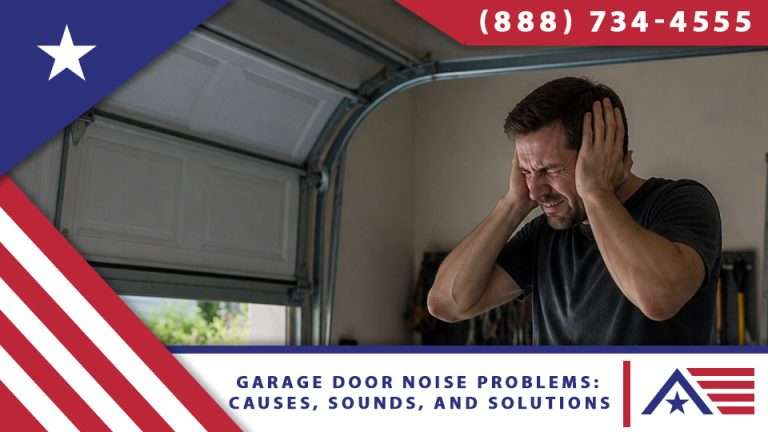
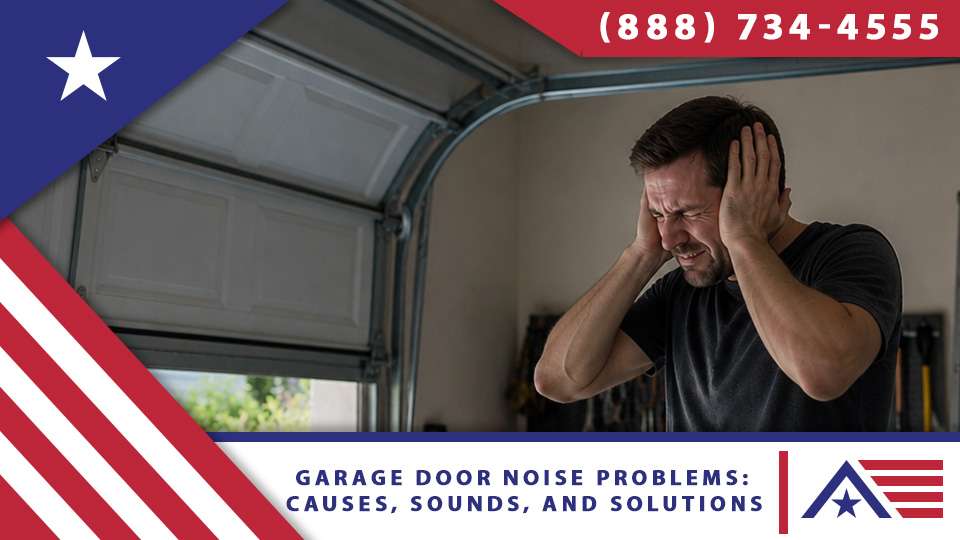
Furthermore, garage door noise problems disrupt your household and often signal mechanical issues developing inside the system. Moreover, a loud garage door or noisy garage door operation indicates worn parts that need attention before they fail completely. Consequently, garage door noise issues range from squeaking hinges to grinding rollers and rattling track hardware. In addition, garage door noise repair identifies the specific source and eliminates the sound with targeted fixes. Similarly, a garage door noise fix may involve lubrication, part replacement, or hardware tightening depending on the cause. Therefore, garage door noise reduction through professional service restores quiet smooth operation to your door. Specifically, garage door sound solutions from a trained technician address every noise source in a single visit. Furthermore, if you need garage door noise repair near you, acting quickly prevents small sounds from becoming expensive failures.
Why Garage Doors Make Noise
Furthermore, garage doors contain dozens of moving metal parts that create sound during every opening and closing cycle. Moreover, springs wind and unwind under hundreds of pounds of tension while rollers spin inside metal tracks continuously. Specifically, hinges flex at every panel joint and cables wrap around drums under heavy load each cycle. Consequently, any part that loses lubrication, wears down, or loosens creates friction that produces audible noise. Therefore, garage door noise problems are the system telling you that something needs maintenance or repair right away.
Signs of Garage Door Noise Problems
Squeaking or Squealing Sounds
Furthermore, high-pitched squeaking is the most common sign of garage door noise problems in residential homes. Specifically, dry hinge pins and roller bearings create metal-on-metal friction that produces sharp squealing sounds. Moreover, a loud garage door with squeaking usually responds well to proper lubrication as a first step. Consequently, persistent squeaking after lubrication indicates the parts have worn beyond what lubrication alone can fix.
Grinding or Scraping Sounds
Moreover, grinding sounds during operation confirm garage door noise issues that go beyond simple dryness. Specifically, worn nylon rollers with deteriorated bearings create a rough grinding sound inside the track. Furthermore, a noisy garage door with metal rollers produces louder grinding as the roller surface wears flat over time. Consequently, garage door noise repair for grinding usually requires roller replacement for a lasting solution.
Rattling or Vibrating Sounds
Similarly, rattling during operation points to loose hardware somewhere in the door or track system. Specifically, loose track brackets, hinge bolts, or opener mounting hardware all create vibration-based noise easily. Furthermore, a loose chain on the opener drive adds a distinct metallic rattle during every cycle of operation. Consequently, a garage door noise fix that includes full hardware tightening eliminates most rattling sounds immediately.
Popping or Banging Sounds
In addition, sudden popping or banging sounds indicate spring or torsion bar stress in the system. Specifically, a spring under high tension may pop as it adjusts during the door’s travel path each cycle. Moreover, a banging sound when the door reaches the floor often means the closing force is set too high. Consequently, garage door noise reduction for popping sounds requires professional spring and force adjustment.
Common Causes of Garage Door Noise Issues
Lack of Lubrication
Furthermore, lack of lubrication is the leading cause of garage door noise issues across all door types and ages. Specifically, hinges, rollers, springs, and tracks all need regular lubrication to operate quietly and smoothly. Moreover, the Door and Access Systems Manufacturers Association recommends lubricating all moving parts every six months. Consequently, a loud garage door often becomes quiet again with nothing more than proper lubricant application.
Worn Rollers
Moreover, rollers are the most common worn part behind garage door noise problems in older systems. Specifically, standard steel rollers become noisy as their bearings wear out after five to seven years of use. Furthermore, nylon rollers run quieter but eventually crack and lose their smooth rolling surface over time too. Consequently, garage door sound solutions for roller noise involve upgrading to sealed bearing nylon rollers.
Loose Hardware
Similarly, hardware loosens naturally over time from the constant vibration of daily door operation cycles. Specifically, track brackets pull away from the wall, hinge bolts loosen, and opener brackets shift from their mounts. Furthermore, even slightly loose hardware amplifies every sound the door makes during its travel path. Consequently, garage door noise issues from loose hardware are the easiest and cheapest to fix professionally.
Worn Springs or Cables
In addition, aging springs and frayed cables create distinct sounds that warn of potential failure ahead. Specifically, a spring near the end of its life may groan or creak during the winding and unwinding motion. Moreover, frayed cables scrape against the drum and produce a scratchy metallic sound during each cycle. Consequently, a noisy garage door with spring or cable sounds needs immediate professional inspection for safety.
Garage Door Noise Repair Options
Furthermore, the right garage door noise repair depends on identifying the exact source of the sound accurately. Moreover, a technician listens to the door operate, inspects every component, and pinpoints the noise origin precisely. Consequently, treating the wrong part wastes money and leaves the actual garage door noise problems unresolved.
When a Garage Door Noise Fix Is Enough
Moreover, many garage door noise issues respond well to lubrication and minor adjustment work alone. Specifically, applying garage door lubricant to hinges, rollers, springs, and tracks silences most squeaking instantly. Furthermore, tightening all hardware and adjusting the opener chain tension eliminates rattling and vibration sounds. Consequently, a garage door noise fix for maintenance-related sounds is fast, affordable, and highly effective.
When Garage Door Noise Reduction Requires Part Replacement
Furthermore, garage door noise reduction sometimes requires replacing worn rollers, hinges, or springs entirely. Specifically, upgrading steel rollers to sealed bearing nylon rollers produces the most dramatic noise improvement possible. Moreover, replacing worn hinges with new lubricated units eliminates squeaking at every panel joint permanently. Consequently, garage door sound solutions through part replacement provide lasting quiet that lubrication alone cannot achieve.
Finding Garage Door Noise Repair Near You
Moreover, when searching for garage door noise repair near you, choose a company that diagnoses before recommending repairs. Specifically, a good technician identifies every noise source rather than just treating the loudest one alone. Furthermore, look for licensed and insured technicians who carry rollers, hinges, and lubricant on their trucks. In addition, read customer reviews that mention noise, sound, or quiet operation specifically for confidence. Consequently, a qualified provider for garage door noise repair near me arrives ready to silence your door.
Similarly, expect a written estimate before any garage door noise repair work begins on your system. Furthermore, ask about warranties on replacement parts and labor for the garage door noise fix performed. Consequently, comprehensive service from a trusted provider prevents future garage door noise problems from returning.
Preventing Future Garage Door Noise Problems
Furthermore, regular maintenance is the most effective way to keep your garage door operating quietly long term. Specifically, lubricate all hinges, rollers, springs, and tracks every six months with garage door lubricant. Moreover, tighten all visible hardware including track brackets, hinge bolts, and opener mounts during each session. In addition, listen for new sounds during operation and address them promptly before they worsen over time. Consequently, a few minutes of preventive care every season keeps your door quiet and your system healthy.
Final Thoughts on Garage Door Noise Problems
Furthermore, garage door noise problems are more than just an annoyance because they signal developing mechanical issues. Moreover, a loud garage door or noisy garage door operation means parts need attention before they fail. Consequently, whether you need a garage door noise fix or comprehensive garage door noise reduction, act quickly. Therefore, contact US Garage Door Repair for garage door noise repair near you today.
Phone: (888) 734-4555
Email: info@usgaragerepair.net
Website: https://www.usgaragerepair.net/