
Don’t Ignore These Signs Your Garage Door Needs Immediate Repair
When you start noticing signs your garage door needs immediate repair—like a broken garage door opener, a noisy garage door, sagging garage door panels, or uneven garage door movement—it’s time to act fast. These urgent garage door issues are more than just inconvenient; they often signal deeper mechanical problems that can quickly become safety hazards. US Garage Door Repair has helped countless homeowners identify and fix these problems before they lead to major garage door failure. Whether it’s strange sounds or complete non-responsiveness, knowing what to look for and when to call a professional is essential for avoiding costly repairs and dangerous malfunctions.
5 Critical Signs Your Garage Door Needs Immediate Repair
Let’s break down the five most important warning signs that your garage door needs professional repair—before the issue becomes worse.
1. Your Garage Door Won’t Open or Close
One of the clearest signs of trouble is when your garage door refuses to open or close. This usually means you’re dealing with a broken garage door opener, snapped cable, or misaligned safety sensor. These problems require urgent attention to prevent further damage and security risks.
If your door won’t budge when you press the remote or wall button, do not attempt to force it. This could damage the opener motor or cause injury.
Possible Causes Include:
- Broken torsion or extension springs
- Faulty or burnt-out opener motor
- Misaligned or obstructed safety sensors
- Disconnected power or wiring issues
This type of failure often catches homeowners off guard. But acting quickly can restore safety and functionality without escalating costs.
2. Noisy Garage Door Operation
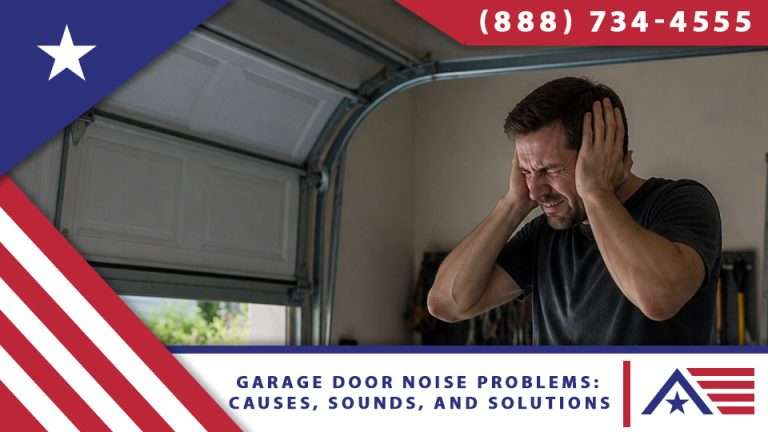
A noisy garage door is one of the earliest signs of mechanical wear. If you’re hearing grinding, screeching, rattling, or popping sounds, it’s likely due to poor lubrication, worn-out rollers, or loose hardware.
These loud garage door noises usually get worse over time. Ignoring them can lead to broken components and a complete system failure.
What to Listen For:
- Grinding or scraping from metal parts
- High-pitched squeaking from dry rollers
- Banging or popping from loose panels
- Rattling from bolts or brackets coming undone
Routine maintenance can quiet minor noises, but persistent or escalating sound is a strong indicator of needed repair.
3. Uneven Garage Door Movement
A garage door that jerks, shudders, or tilts while moving likely has balance problems or mechanical wear. This kind of uneven garage door movement strains the entire system and can lead to full failure if not corrected quickly.
Springs, cables, and tracks all need to work together smoothly. If one side is lagging or rising faster than the other, parts of your system may already be failing.
Look Out For:
- One side lifting higher than the other
- Door bouncing or reversing unexpectedly
- Strained or lagging opener sounds
- Visual misalignment in the track system
This is a serious safety concern, especially for families with kids or pets. A door that closes unevenly is a hazard.
4. Sagging Garage Door Panels
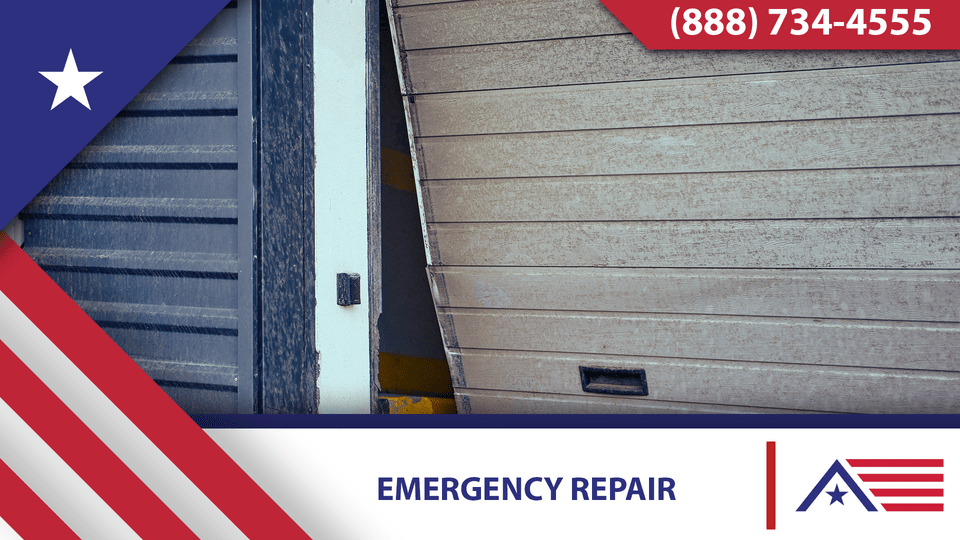
When your garage door begins to sag, warp, or bend in the middle or corners, it’s usually due to age, moisture damage, or structural weakness. Sagging garage door panels compromise the door’s balance and can cause the entire system to work harder than it should.
Over time, the strain from warped garage door sections affects everything from the opener motor to the springs and cables.
Common Causes of Panel Sagging:
- Water damage or mold growth
- Impact from a vehicle or heavy object
- Warping from heat and humidity
- Weakening joints between panels
Once panels start to sag, they can drag on the track or throw the door out of alignment. It’s best to replace or reinforce them as soon as possible.
5. Delayed Response from the Opener
If your garage door takes longer than usual to respond after pressing the remote or keypad, you may be dealing with a malfunctioning door opener. Delayed reactions can stem from electronic interference, faulty circuit boards, or dying internal components.
This kind of delay might not seem urgent at first, but it’s often the beginning of a larger failure. If the opener stops responding entirely, your door could be stuck in the open or closed position, leaving your home vulnerable.
Check These Areas First:
- Batteries in remote and wall switch
- Interference from other wireless devices
- Burned-out control boards or relays
- Gears and internal electronics inside the opener
A sluggish or unresponsive opener should be looked at by a technician before it leaves you stuck.
Know When to Call the Pros
Garage doors are heavy, complex systems that rely on balance, tension, and precise movement. When one part fails—whether it’s the opener, the track, or the panels—the rest of the system suffers too. The sooner you act on the warning signs, the easier and less expensive the repair usually is.
Knowing these signs your garage door needs immediate repair helps you avoid emergencies, save money, and protect your home and loved ones.
At US Garage Door Repair, we specialize in diagnosing urgent garage door issues and providing fast, safe solutions for homeowners. If you’ve noticed strange noises, delayed operation, uneven movement, or visible damage, don’t wait for things to get worse. Call in the experts and get your garage door running like new again.